Main Objectives
- Energy Storage: Use hydrogen as a flexible energy storage solution to manage fluctuations in renewable energy generation.
- Smart Grid Integration: Combine hydrogen storage with demand response mechanisms and energy-sharing innovations.
- Community Benefits: Increase energy autonomy and resilience while reducing reliance on conventional energy sources.
Key Features
- Hydrogen Use: 0.36 tons of hydrogen are generated, stored, and converted back into electricity annually.
- Smart Grid Technology: The system integrates with the community’s Energy Management System (EMS) via IoT platforms, enabling real-time optimization.
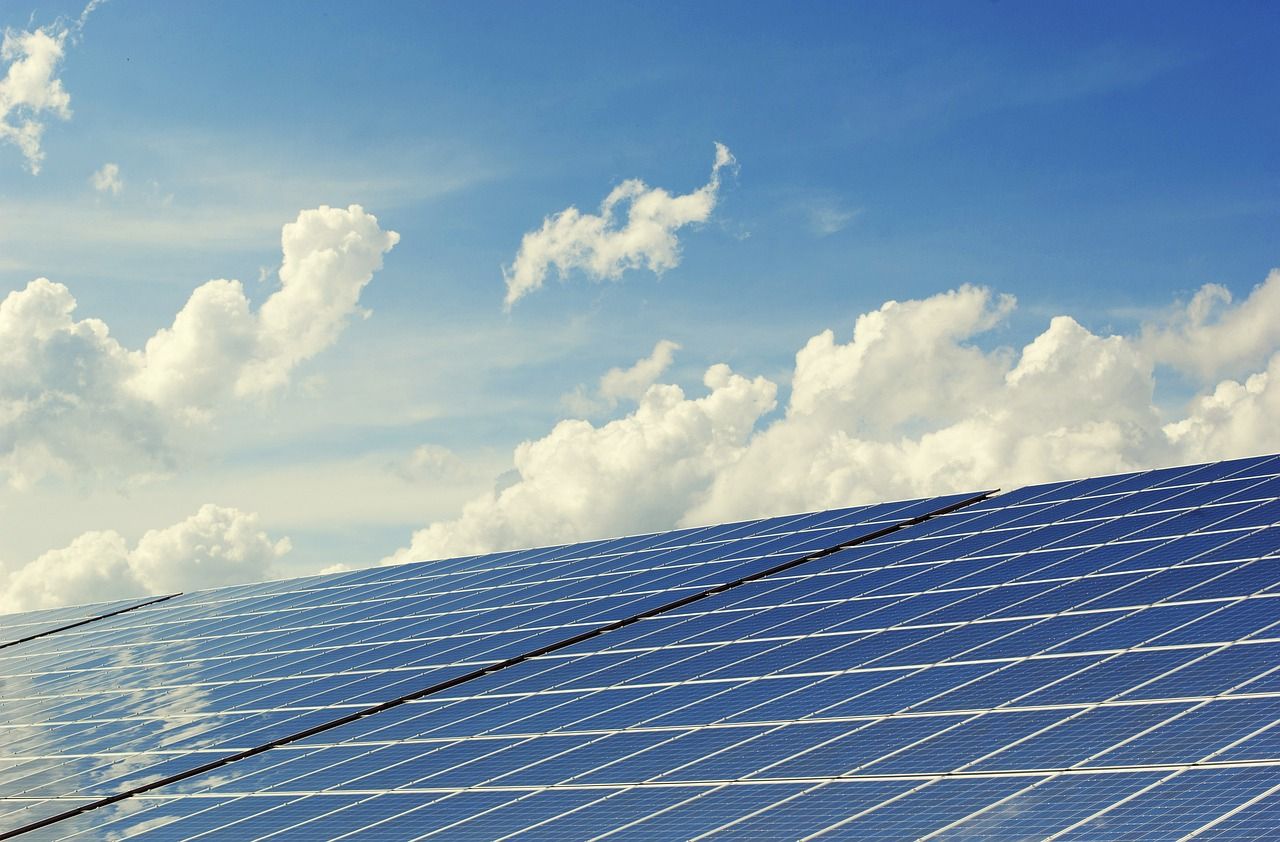
- Renewable Energy Integration: The hydrogen system supports 85 kWp of solar generation, balancing supply and demand for the island’s households.
Specific Actions
- Install and connect the electrolyser, hydrogen storage, and fuel cell to the community’s energy system.
- Implement remote monitoring and control equipment to optimize hydrogen storage and usage.
- Conduct system testing to validate performance and refine smart grid integration.
- Develop a plan for scaling and replicating the solution in other Renewable Energy Communities.
Benefits
This project showcases how hydrogen can enhance the flexibility and reliability of renewable energy systems in isolated communities. By collaborating with key stakeholders like UALG, EDP, and local organizations, Culatra Island becomes a model for integrating clean hydrogen technology into smart grids, demonstrating potential for replication across Europe.