
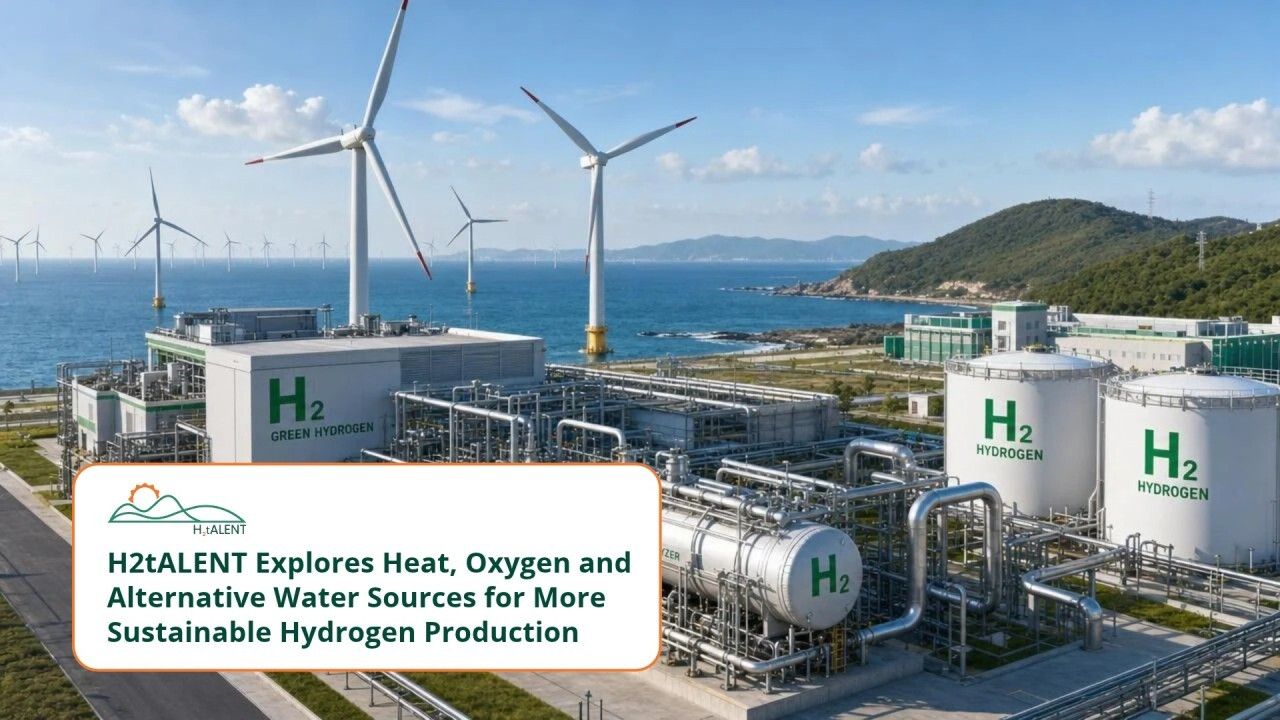
Unlocking the value of hydrogen production beyond H₂: H2tALENT investigates how heat, oxygen, seawater, and wastewater can contribute to a more sustainable hydrogen ecosystem.
Turning hydrogen by-products into valuable resources
Green hydrogen production generates more than hydrogen alone. H2tALENT explored how its main by-products, heat and oxygen, can be recovered and integrated into existing energy, industrial and environmental applications in the Sines industrial hub.
The results show promising opportunities for both. H2tALENT assessed different technologies for recovering and valorizing waste heat, including heat pump and Organic Rankine Cycle (ORC)-based solutions. The ORC assessment indicated that waste heat recovery could generate approximately 150 kW of electricity, with an estimated payback period of 2.5 years.
Exploring alternative water sources for hydrogen production
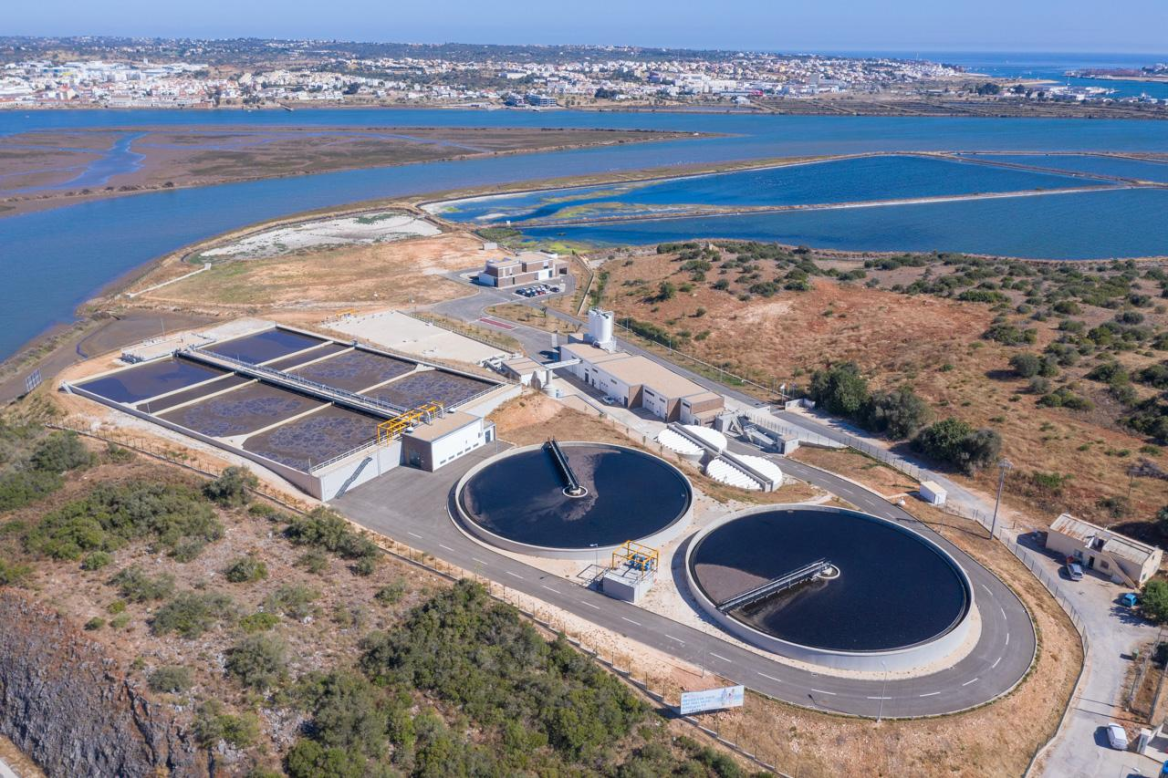
Green hydrogen production also requires a reliable supply of high-purity water, which presents a particular challenge in the water-scarce Alentejo region. H2tALENT therefore assessed alternative water sources, focusing on desalinated seawater and treated wastewater as potential solutions for the Sines hydrogen ecosystem.
For seawater, the assessment identified reverse osmosis as the most suitable primary desalination technology for the Sines context, while the economic analysis showed that desalination would have a limited impact on the Levelized Cost of Hydrogen, with seawater reverse osmosis estimated to increase LCOH by approximately 0.40–1.00%, depending on the technology configuration and plant capacity.
Towards a more sustainable hydrogen ecosystem
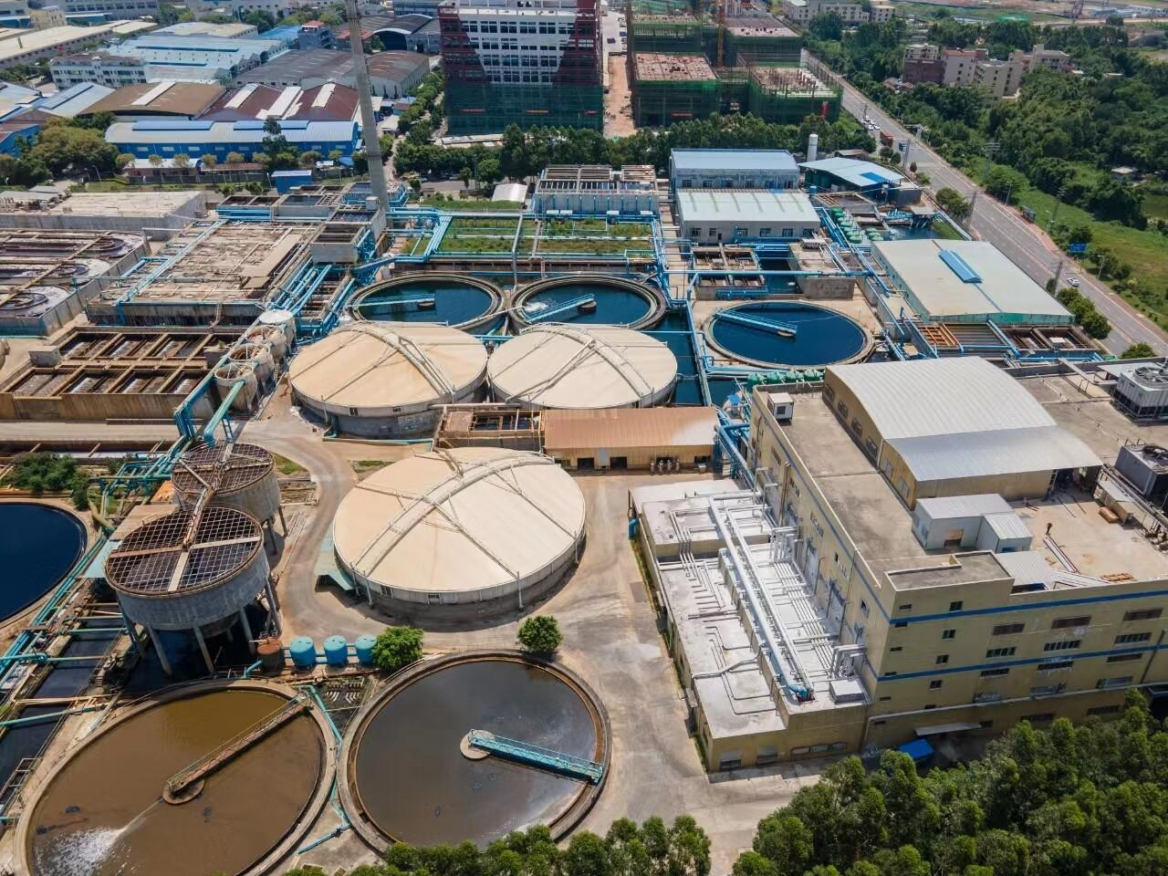
By looking beyond hydrogen itself, H2tALENT highlights the potential to make hydrogen production more resource-efficient and better integrated with its surrounding environment. The valorization of heat and oxygen, together with the use of alternative water sources, can help create synergies between hydrogen production, industrial activities and environmental infrastructures in the Sines region.
These results underline the importance of considering hydrogen production as part of a wider ecosystem, where by-products can become valuable resources and water solutions can help address regional constraints. By exploring these connections, H2tALENT contributes to the development of more integrated and sustainable pathways for green hydrogen production.
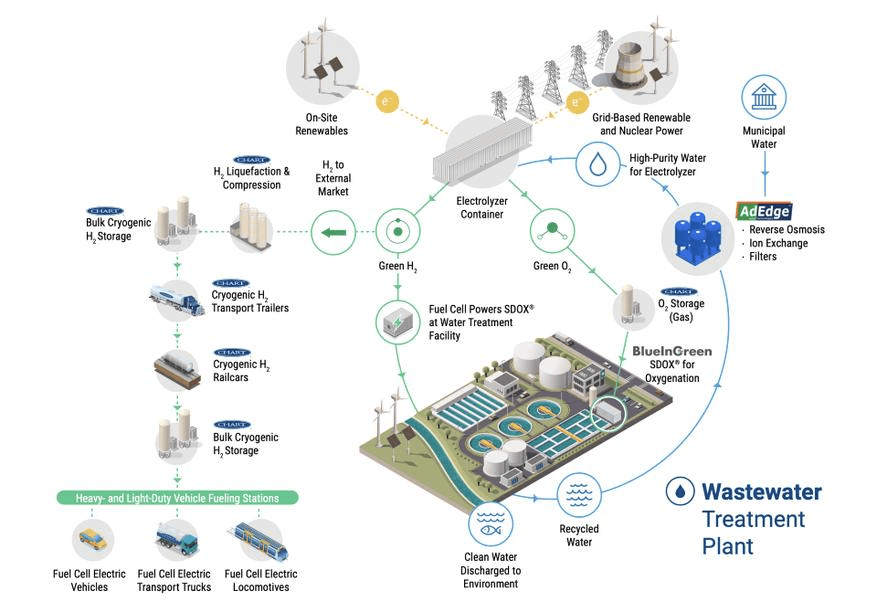
By bringing together by-product valorization and alternative water solutions, H2tALENT demonstrates how different elements of the hydrogen value chain can be connected to improve the overall sustainability of green hydrogen production. In Sines, these approaches open up opportunities to make better use of available resources while addressing local industrial and environmental needs.